
In Episode 25 you first find the team only 7 miles from the finish line. We had just descended Cape Nome and are traveling on the flats along the Bering Sea. The second half of this episode is only 3 miles from the finish. It is incredibly exciting to reach this spot on the race trail. We are almost there! Spectators are super excited and many are standing along the trail cheering from 3 miles out until the finish line.
Julien Schroder was on the Cape when we climbed and summited it. He took some fantastic photos of many of dog teams just miles before Nome. Here is his website.
In Episode 26 we can taste the finish.
For the many years that I have mushed to Nome, rarely has the ocean looked like this. As you can is not frozen. A few icebergs are floating in the foreground but it seems to be the perfect synopsis for the 2019 Iditarod. Warm temperatures, wet conditions and challenges in every direction.
The entire SPK crew greeted me, Dutch, Mismo, Spark, Violet, QT, Bruno, Rodney, Five, Nomex, Jefe and Decaf at the finish line. Here is the video:
I THANK YOU for following my team along on the Iditarod trail. My 2019 Aliy Cam series are now complete. Feel free to watch any or all of the videos again. I’m sure that I will. They bring back incredible memories. Our 1,000 mile journey was truly an accomplishment.
For a more in depth look into my 2019 Iditarod adventures, I have written detailed Trail Notes. An electronic copy will be available to anyone who joins my 2020 Red Team.
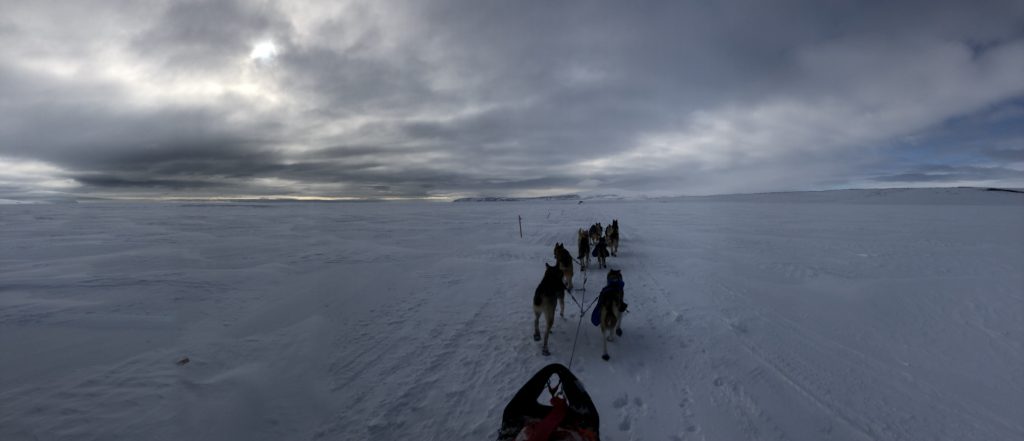
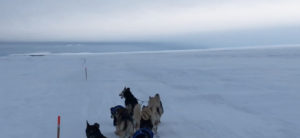 In Episode 23 we are getting closer to the Safety Checkpoint. The horizon and landscape are amazing. In person, it feels so incredibly vast. My dog team and I seem insignificant in this world.
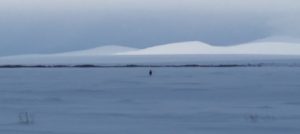 Episode 24 shows why I try to keep a vigilant lookout all the time. A musher could easily pass this lonely fellah off to the north of the trail.
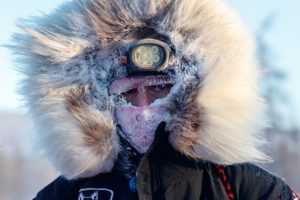 My headlight has three different levels. I often run on “low” in order to conserve the battery. In this video, I switch up to “high” and you can see the team much better. But, a big negative to using the high beam is that the glare from the oncoming snow blinds me. (Similar to running into a bright sky of astroids and comets. Yea, I’ve never done that… but if I did.) Allen uses a different brand of headlight because of this specific disadvantage. His headlight has an adjustable focus. He can reduce the beam size in a situation like this. (He said that he’s never tried it in an asteroid field.)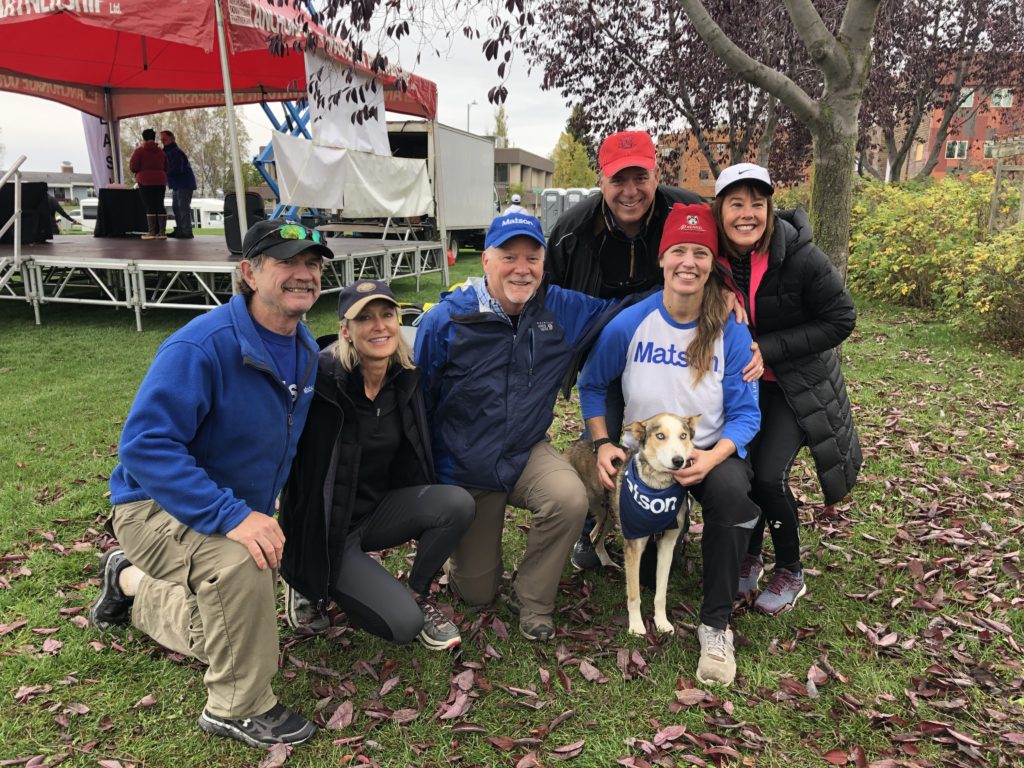
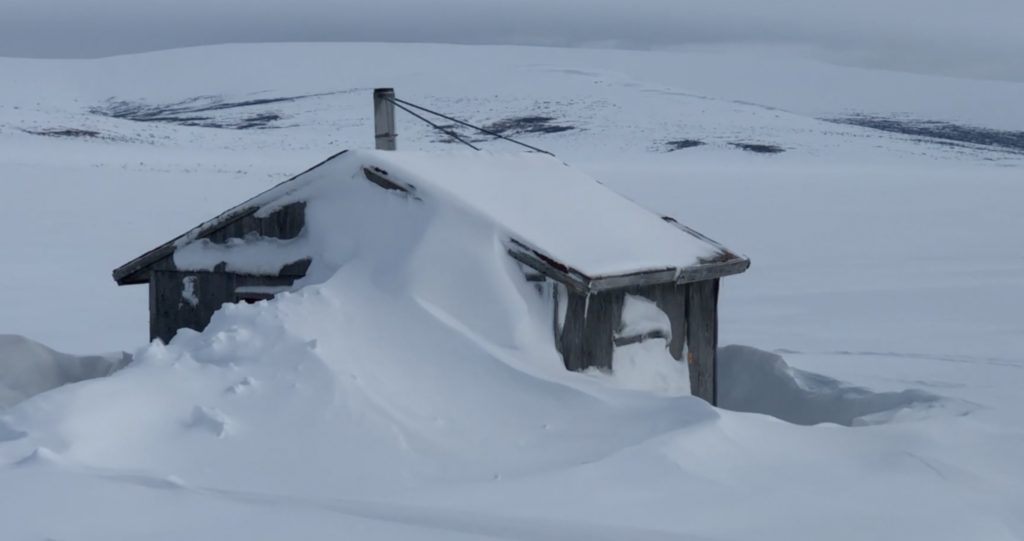
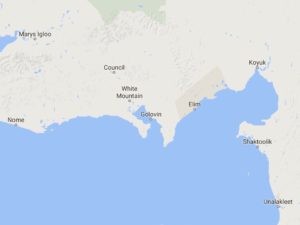 In Episode 20 we are just about to arrive in the village of Golovin.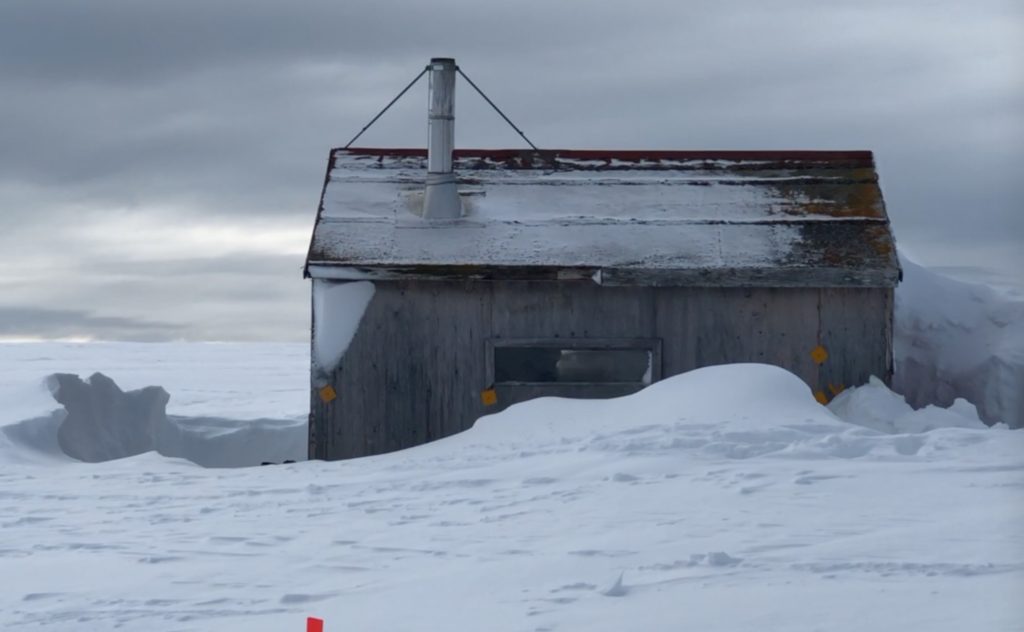
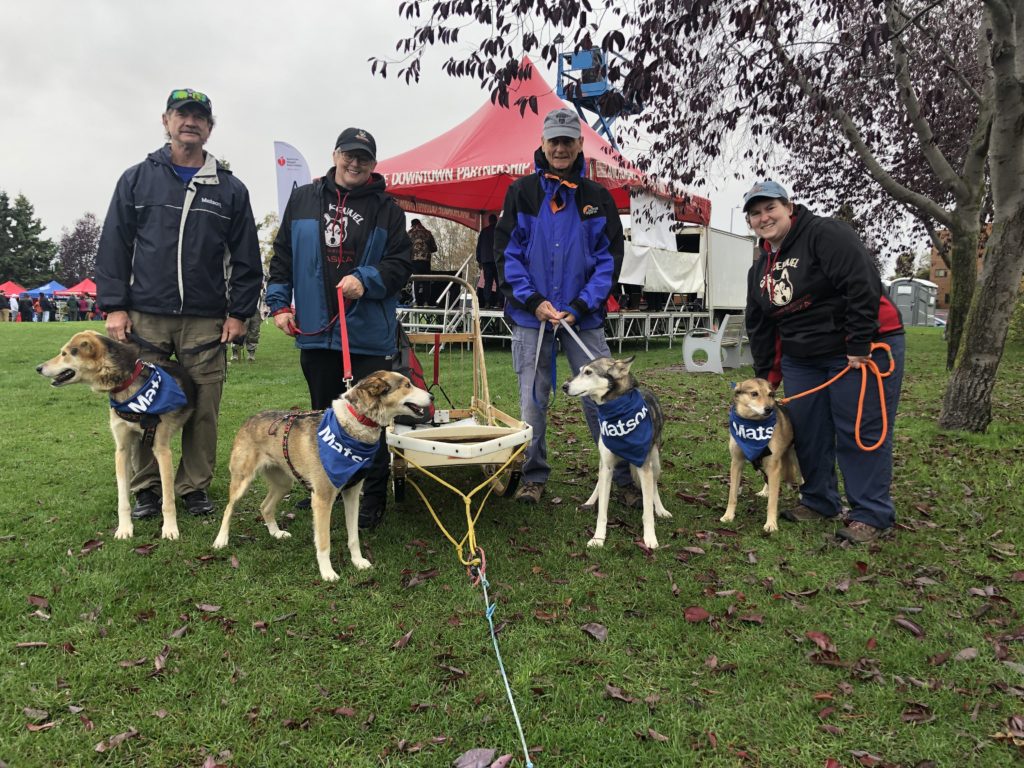
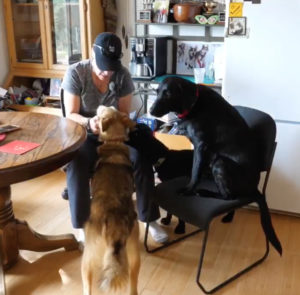 Greg Heister, from Iditarod Insider, came to Two Rivers a couple weeks ago to check in with Aliy, Allen and the dogs.